
Advanced care for disc-related low back pain

VIA Disc NP

A minimally invasive option intended to supplement tissue loss within a degenerated intervertebral disc.

  • Outpatient procedure
  • No metal implant
  • Local anesthetic or light sedation
VIA Disc NP patient education cover

VIVEX patient education material, revised December 2025.

Understanding the source of pain

What is disc degeneration?

Intervertebral discs sit between the bones of the spine. Their gel-like center, called the nucleus pulposus, acts as a shock absorber and helps the body bend, twist, and rotate.

With normal aging, wear and tear, or injury, a disc can dehydrate, flatten, and lose some of its natural cushioning. This process can leave the disc vulnerable to motion stress and may result in low back pain.

The nucleus pulposus

The nucleus pulposus is the soft, gel-like tissue at the center of each spinal disc. It is generally where the drying and dehydration associated with disc degeneration begins.
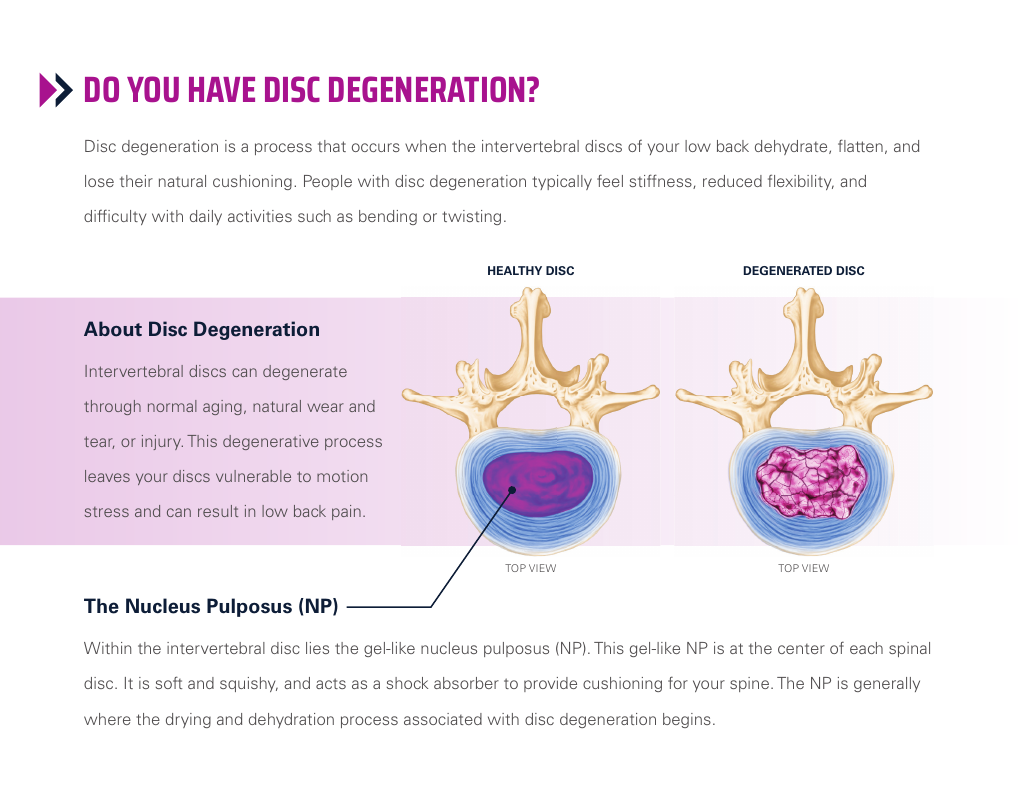
Illustration comparing a healthy intervertebral disc with a degenerated disc

Healthy and degenerated disc illustration supplied by VIVEX.
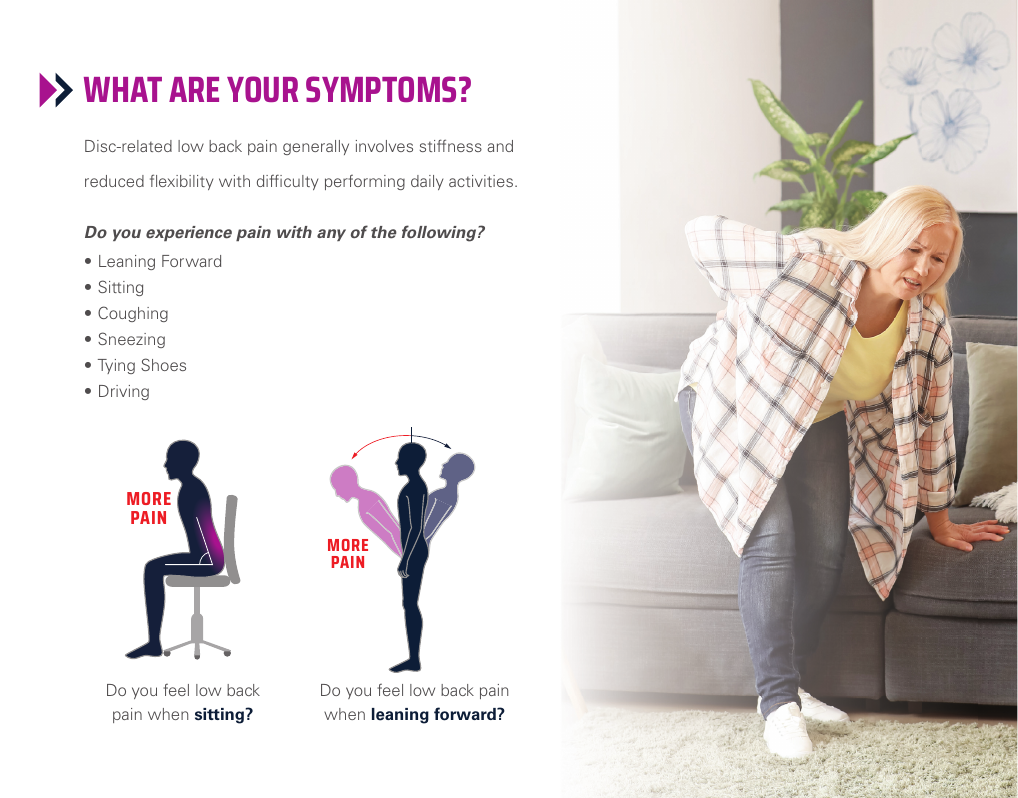
Patient education illustration about disc-related low back pain symptoms

Recognizing the pattern

What are the symptoms?

Disc-related low back pain generally involves stiffness, reduced flexibility, and difficulty performing daily activities. Symptoms may worsen during:

  • Sitting or driving
  • Leaning forward
  • Bending or twisting
  • Coughing or sneezing
  • Tying shoes

Low back pain can have many causes. A specialist can review your symptoms and imaging to determine whether disc degeneration may be contributing to your pain and whether VIA Disc NP may be appropriate.

A minimally invasive approach

How VIA Disc NP works

VIA Disc NP is an allograft consisting of nucleus pulposus tissue collected from the intervertebral disc of a donor. It is intended to supplement tissue loss within the gel-like nucleus pulposus of a degenerated disc.

The approved illustration shows the progression from a degenerated disc through delivery of VIA Disc NP and its intended cushioning support.
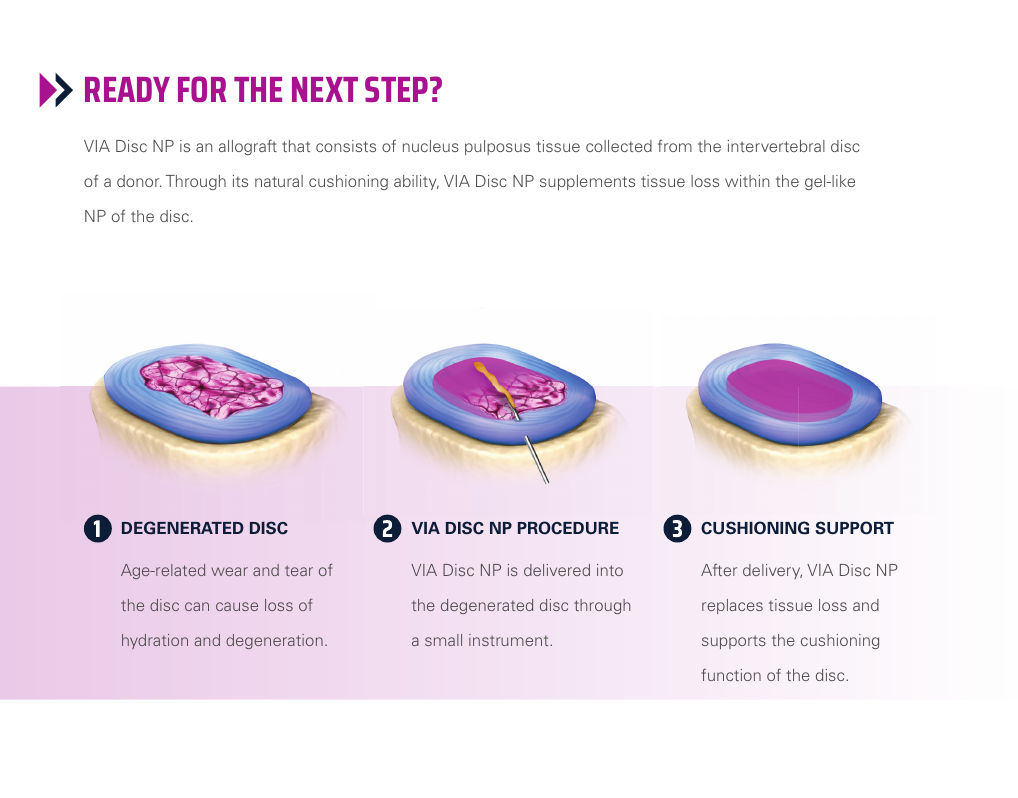
Three-step illustration showing a degenerated disc, VIA Disc NP delivery, and cushioning support

Approved patient education illustration. Images are illustrative and do not represent clinical outcomes.

Procedure overview

What to expect during the procedure

The procedure is intended to supplement tissue loss within an intervertebral disc. Your physician will discuss preparation, anesthesia, recovery, potential benefits, and risks based on your individual condition.

Outpatient procedure

Performed without a hospital stay in appropriate patients.

X-ray guidance

A small spinal instrument is guided to the treatment area.

No metal implant

No incisions, stitches, or permanent metal implant.

Anesthesia options

Performed using local anesthetic or light sedation.

Patient education

See how the VIA Disc NP procedure works

This approved animation explains disc degeneration and illustrates how VIA Disc NP is delivered into the center of the intervertebral disc.

The animation is educational and does not replace a conversation with a qualified healthcare provider.

Take the next step

Patient resources

Review the approved patient materials and bring your questions to an appointment with your physician.

VIA Disc NP patient pamphlet

Eight-page overview of symptoms, treatment, and risk information.

Patient education brochure

A concise overview of disc degeneration and VIA Disc NP.

Our patients are our priority

Could VIA Disc NP be appropriate for you?

If conservative care has stopped working, a personalized evaluation can help clarify your options.

Important safety information

Allograft information: An allograft is tissue recovered from a human donor and transferred to a human recipient. Donors are screened and tested, and the tissue is processed to minimize the risk of disease transmission. As with any processed human donor tissue, VIA Disc NP cannot be guaranteed to be free of all pathogens. Trace amounts of Gentamicin or Vancomycin may remain following processing.

Possible adverse events and reactions may include, but are not limited to, infection, inflammation, pain, neurological injury, allergic or immune response, and complications related to the procedure or anesthesia. Your physician will discuss potential risks and whether the procedure is appropriate for you.

References: Farley T, et al. Life (Basel). 2024;14(7):812. Langhorst ML, et al. International Journal of Spine Surgery. Published online October 28, 2025. doi:10.14444/8808.

This information is educational and is not clinical advice. Images are illustrative and do not represent actual clinical outcomes. VIA Disc NP is a trademark of VIVEX Biologics, Inc. Source materials revised December 2025.

Pain Conditions

Explore Treatment Options Based On Your Pain Condition
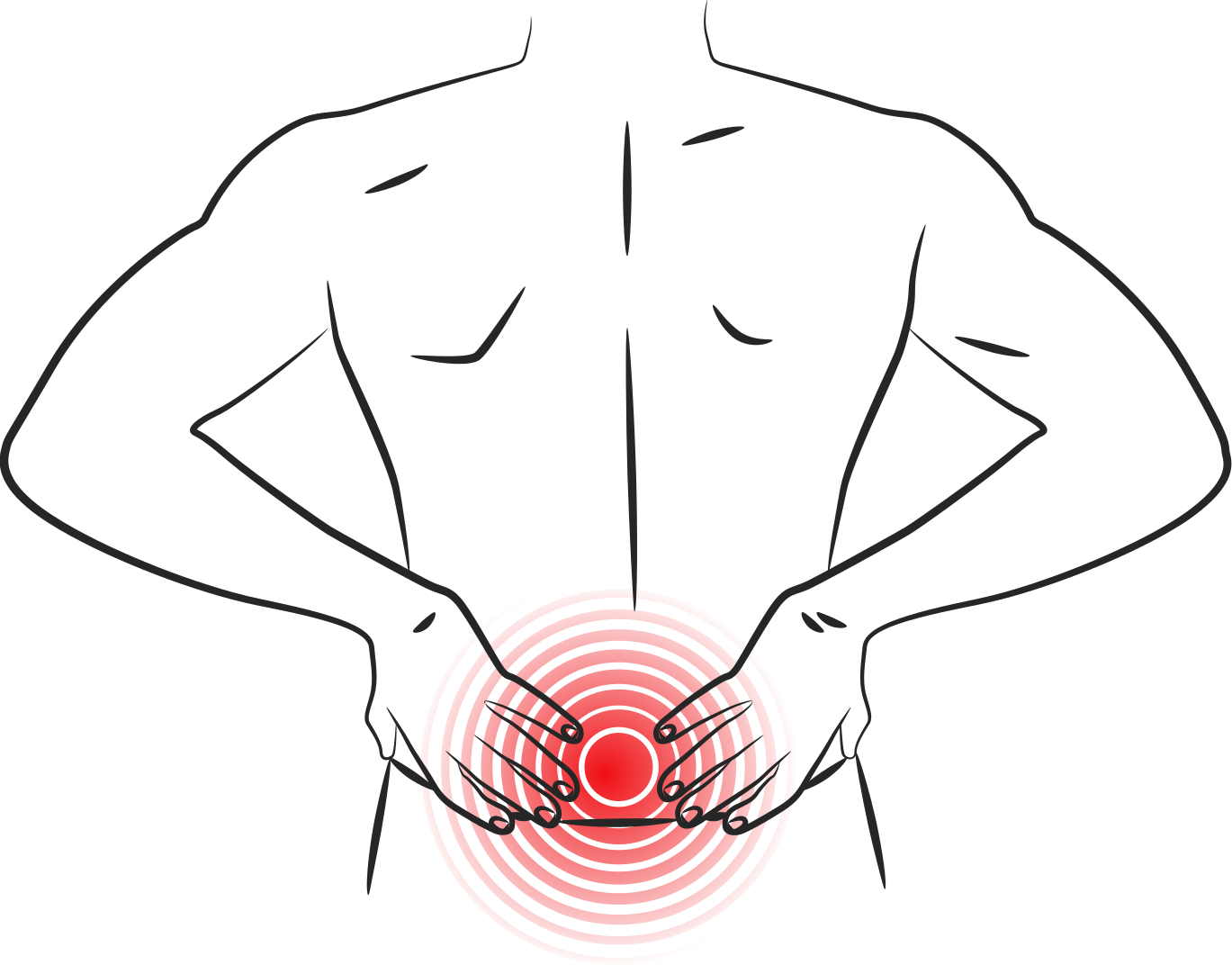
 Illustration of a person holding their lower back with highlighted red area indicating pain.

Back Pain

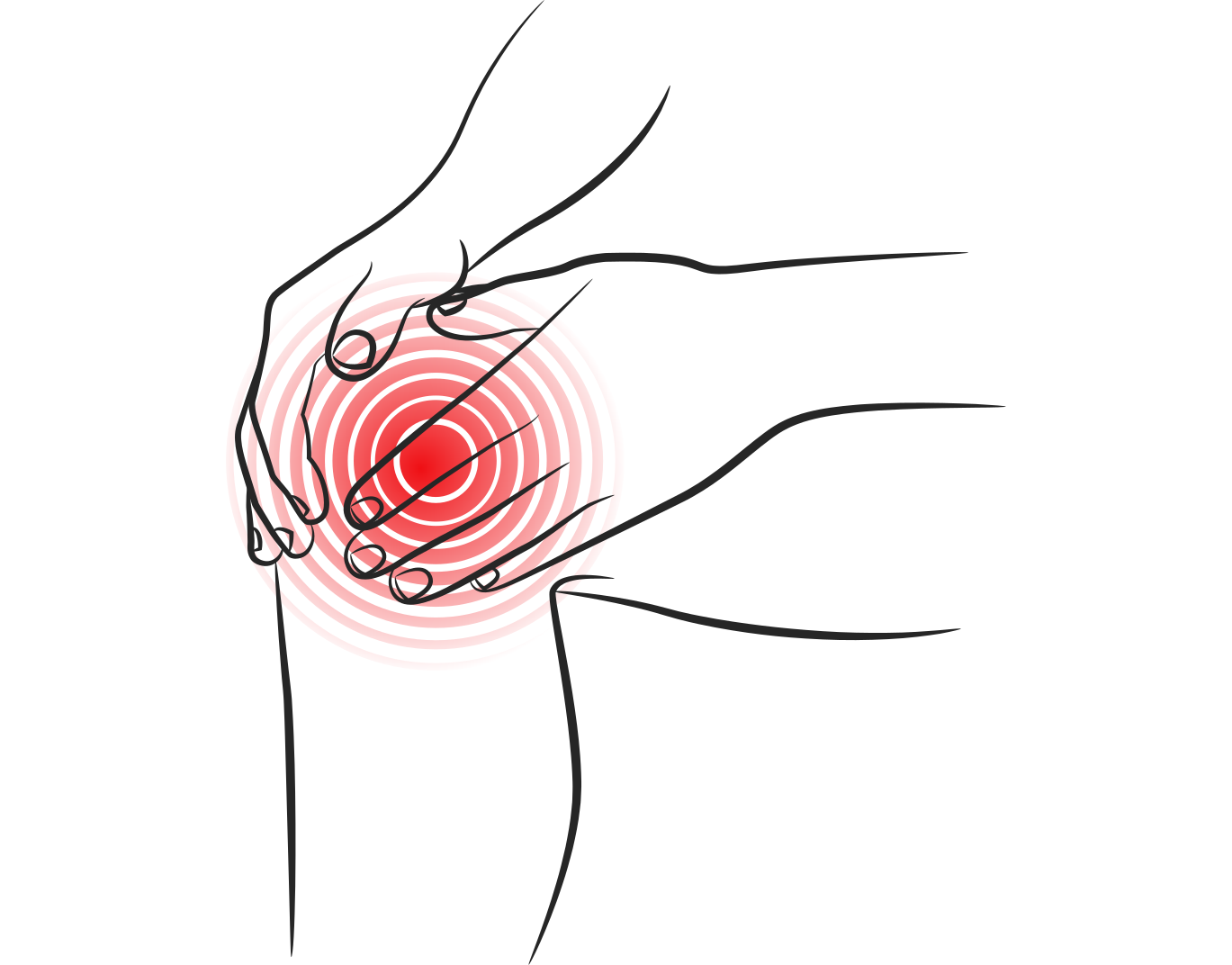
Line drawing of two hands holding a knee with a red circular pain indicator over the kneecap area, symbolizing knee pain

Leg Pain

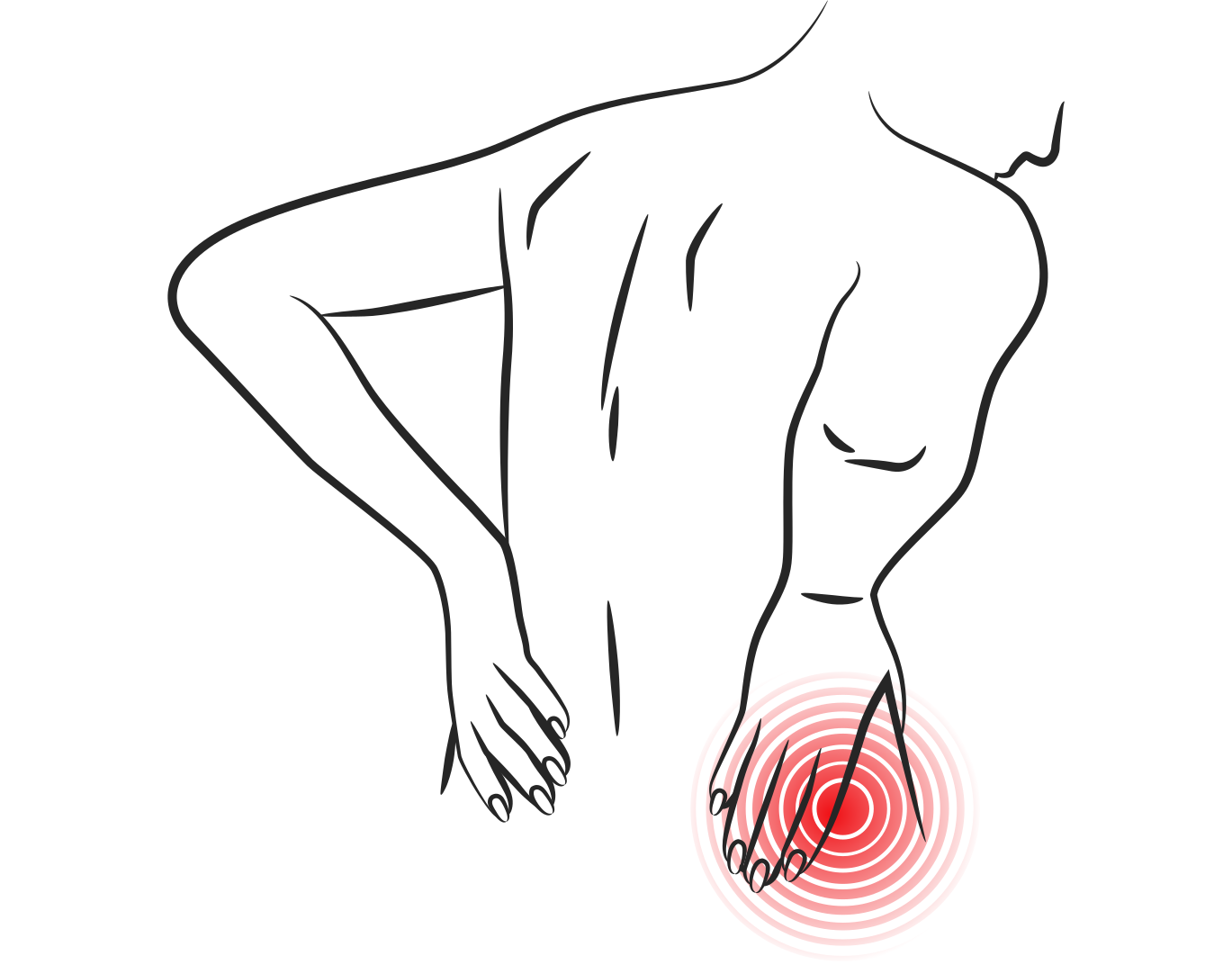
Line drawing of a person holding their lower back with one hand and their hip with the other, with a red circular pain indicator over the hip area, symbolizing hip pain

Hip Pain

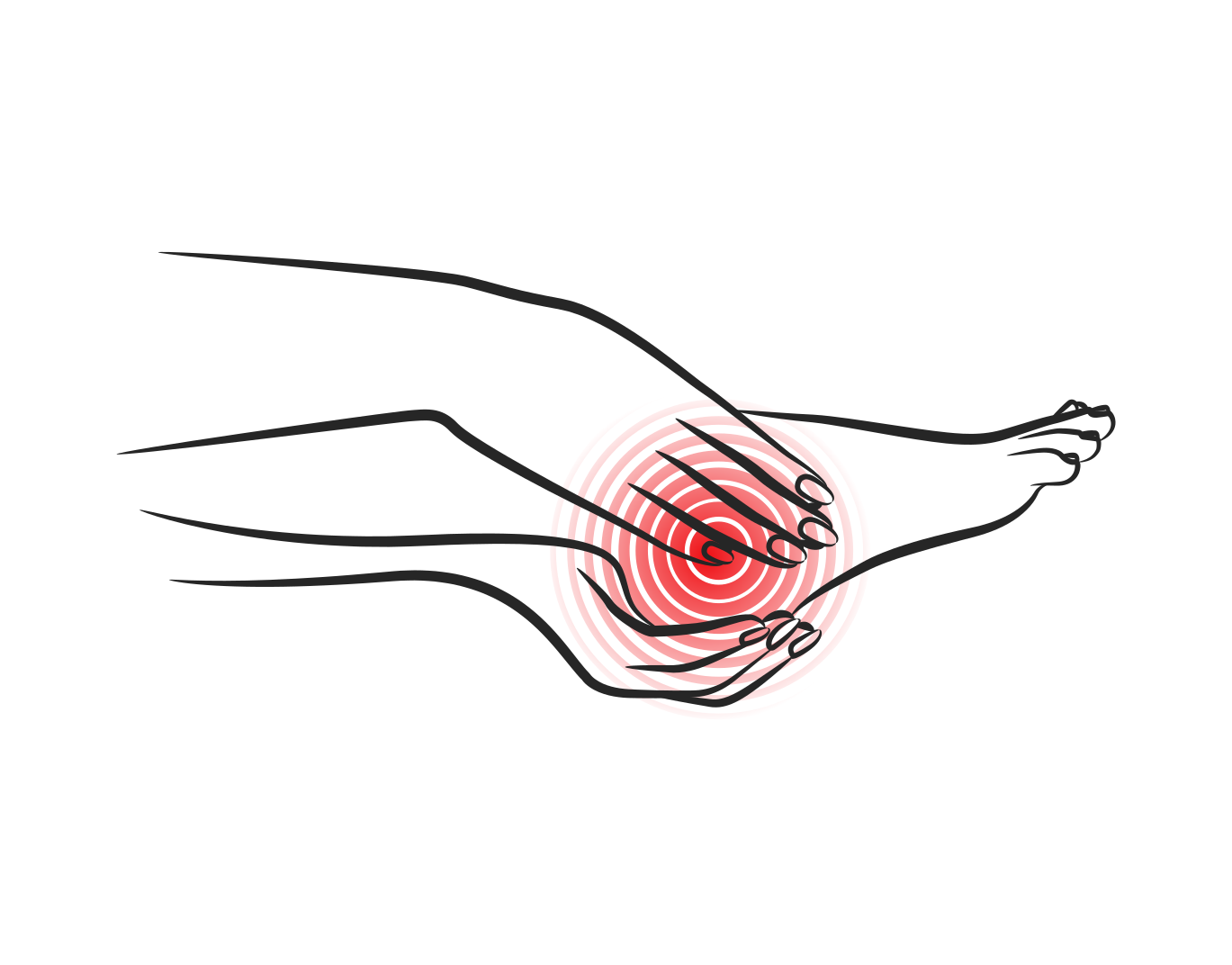
Line drawing of a person holding their foot with both hands, with a red circular pain indicator over the arch area, symbolizing foot pain

Foot Pain

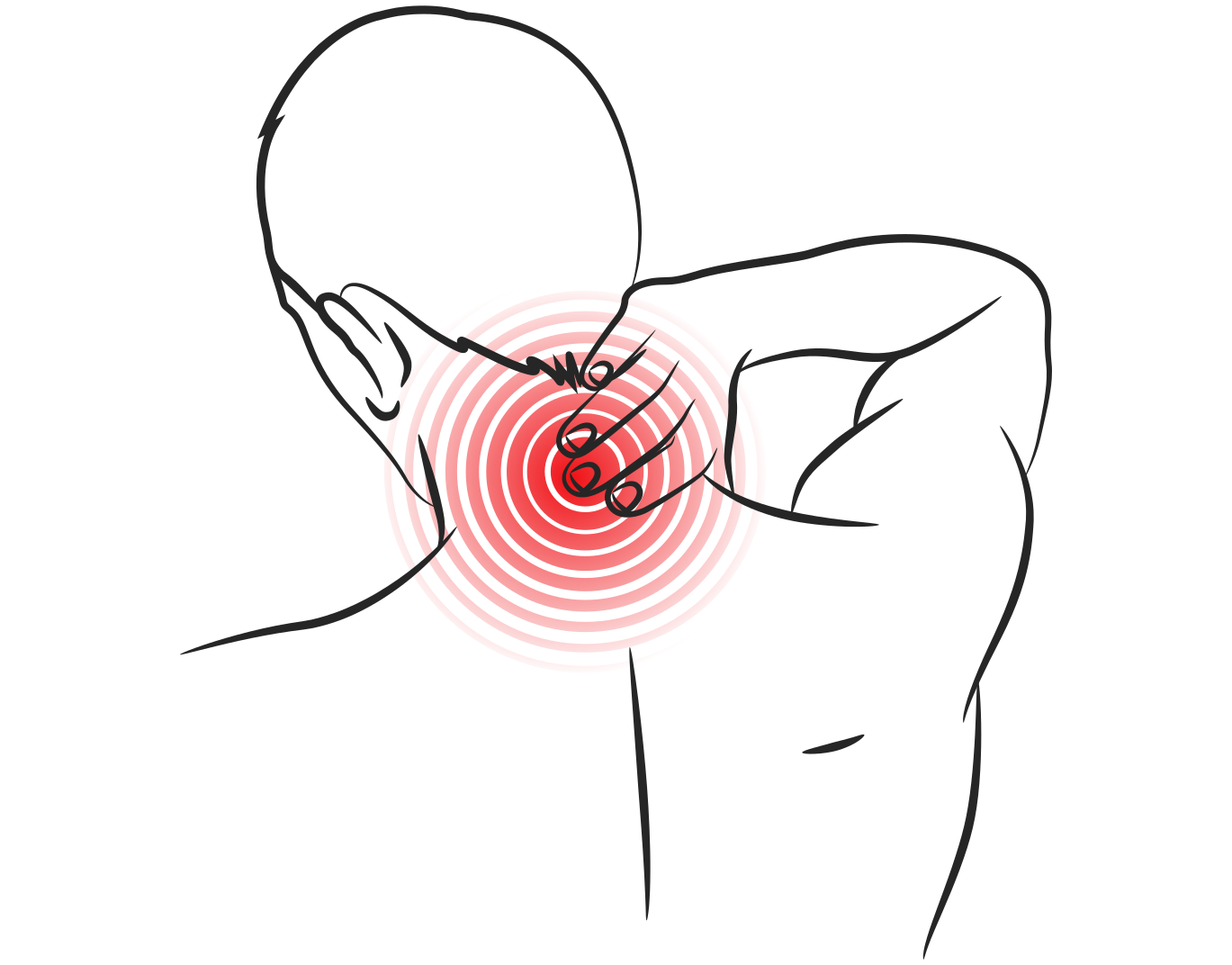
Line drawing of a person holding the back of their neck with one hand, with a red circular pain indicator over the neck area, symbolizing neck pain

Upper Limb & Neck

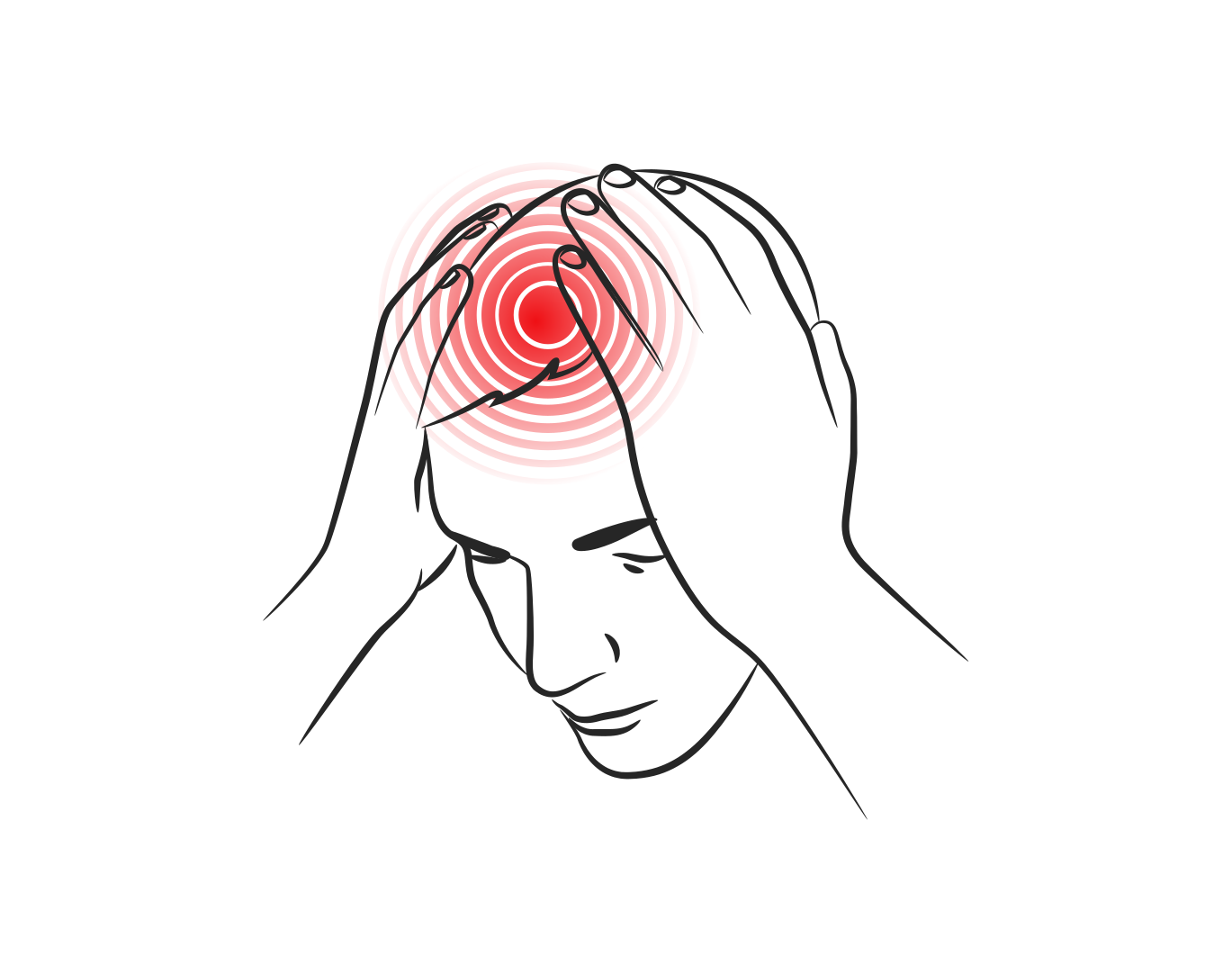
Line drawing of a person holding their head with both hands, with a red circular pain indicator on the top of the head, symbolizing a headache or head pain

Headaches & Migraines

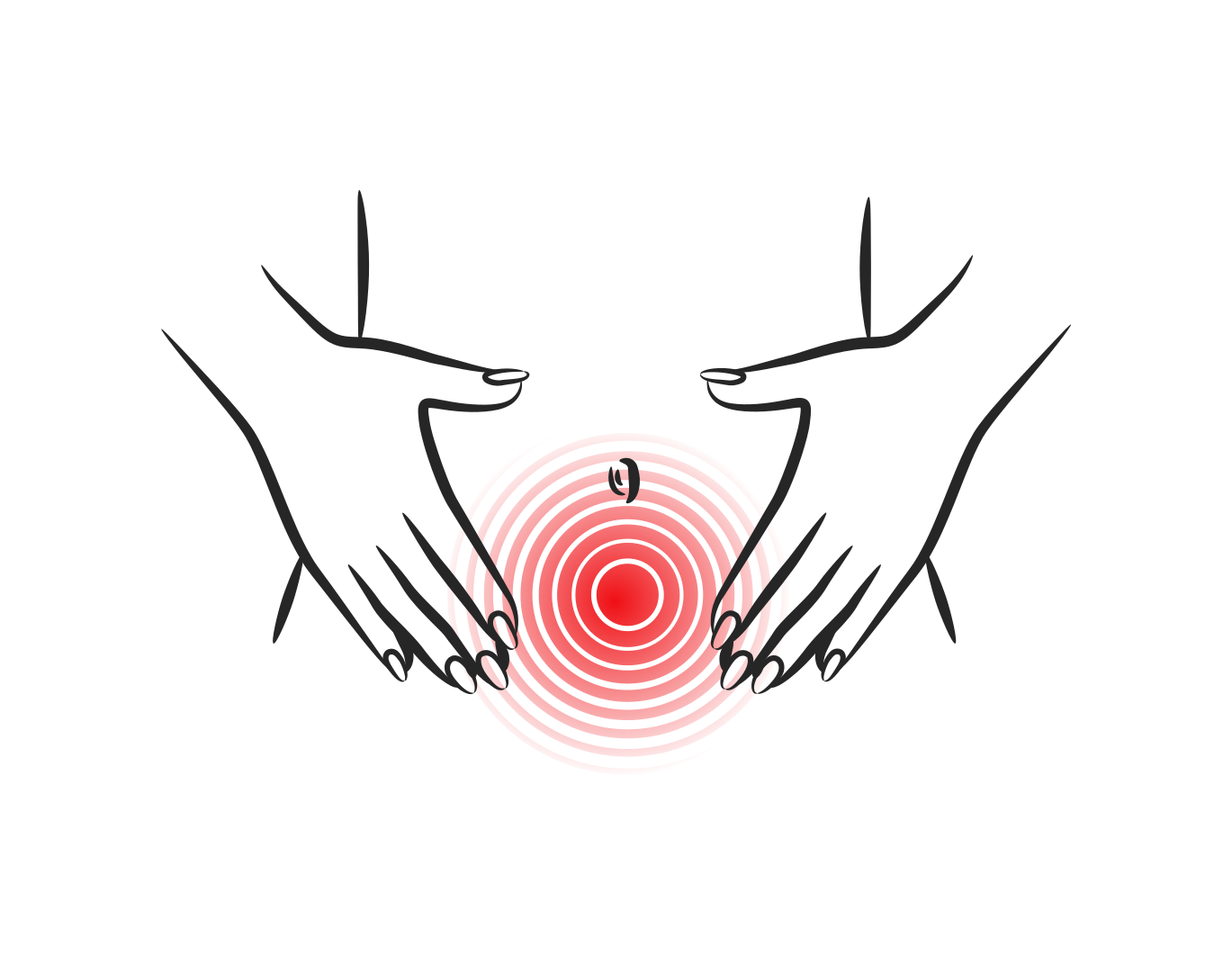
Line drawing of a person holding their lower abdomen with both hands, with a red circular pain indicator over the lower abdominal area, symbolizing abdominal pain

Pelvic Pain

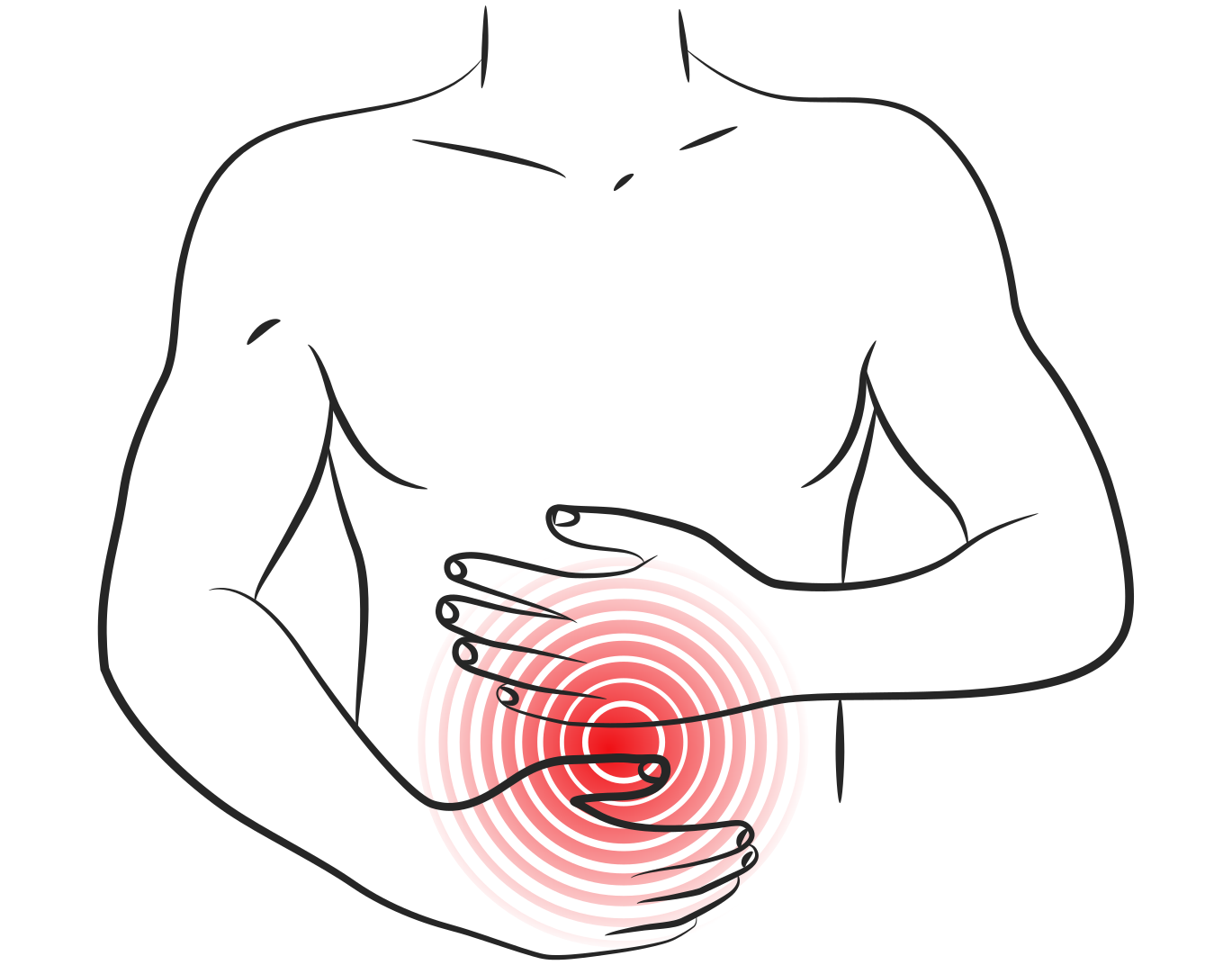
Line drawing of a person holding their stomach with both hands, with a red circular pain indicator over the stomach area, symbolizing stomach pain

Abdominal Pain

Committed to West Virginia for over 30 years

Meet Our Providers

Portrait of Dr. Timothy Deer wearing a blue suit, light pink shirt, and blue striped tie, on a light gray background

Timothy Deer, MD
Physician

Portrait of Dr. Chris Kim wearing a blue suit, white shirt, and red patterned tie, smiling with a light gray background

Chris Kim, MD
Physician

Portrait of Dr. Marcin Karcz wearing a gray suit, light blue shirt, and striped tie, smiling with a light gray background

Marcin Karcz, MD
Physician

Portrait of Dr. Lucas Bracero wearing a dark suit, light blue shirt, and silver tie, smiling with a light gray background

Lucas Bracero, MD
Physician

Portrait of Nurse Practitioner Rebecca Butcher, smiling with a light gray background.”

Anuj Shah, MD
Physician

Portrait of Nurse Practitioner Rebecca Butcher, smiling with a light gray background.”

Rebecca Butcher
Nurse Practitioner

Portrait of Nurse Practitioner Ashley Comer, smiling with a light gray background.”

Ashley Comer
Nurse Practitioner

Portrait of Nurse Practitioner Tara Tackett wearing a black shirt, and a pearl necklace, smiling with a light gray background

Tara Tackett
Nurse Practitioner

Portrait of Physician Assistant Danielle Molina wearing a blue suit and floral-patterned shirt, smiling with a light gray background

Danielle Molina
Physician Assistant

Portrait of Nurse Practitioner Erica Stanley wearing a light blue shirt, smiling with a light gray background

Erica Stanley
Nurse Practitioner

Portrait of Nurse Practitioner Veronica Thomas wearing glasses, a blue suit, and a light pink shirt, smiling with a light gray background

Carolyn S. Poston
Physical Therapist

Portrait of Nurse Practitioner Veronica Thomas wearing glasses, a blue suit, and a light pink shirt, smiling with a light gray background

Warren McComas
Physical Therapist Assistant