
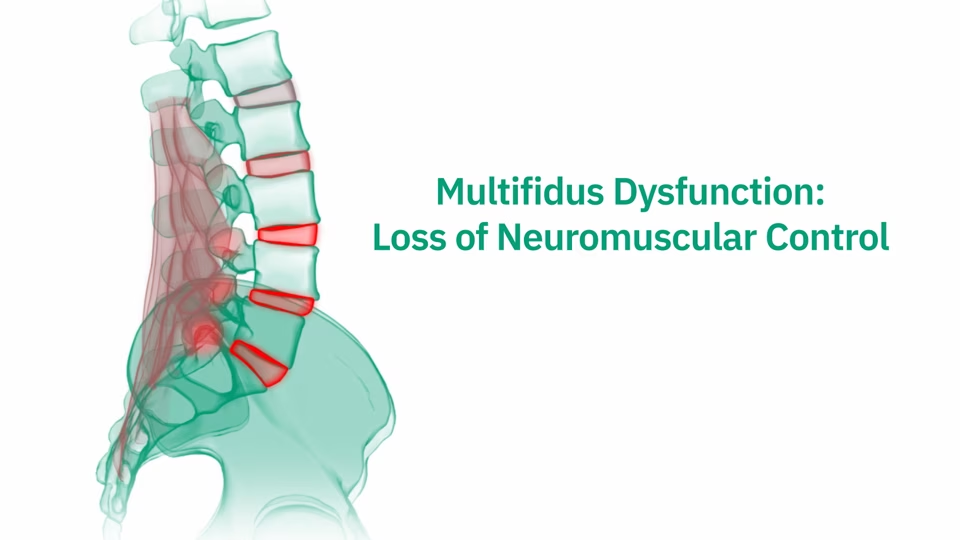
The stabilizing muscles of the low back
What is multifidus dysfunction?
The multifidus muscle is the key stabilizing muscle in the lower back. A single injury to the back can cause impaired muscle control of the multifidus. This lack of muscle control can decrease the spine’s functional stability, leaving the spine susceptible to further injury and overloading.
Mechanical chronic low back pain results from an injury or stress on tissues surrounding the spine, including soft tissues, muscles, bones, and joints. Often, this type of pain is due to impaired neuromuscular control and neural inhibition of the multifidus.
Muscle pain vs. nerve pain
Mechanical pain can present differently from neuropathic pain. A focused exam and review of imaging or physiological testing help clarify the cause.
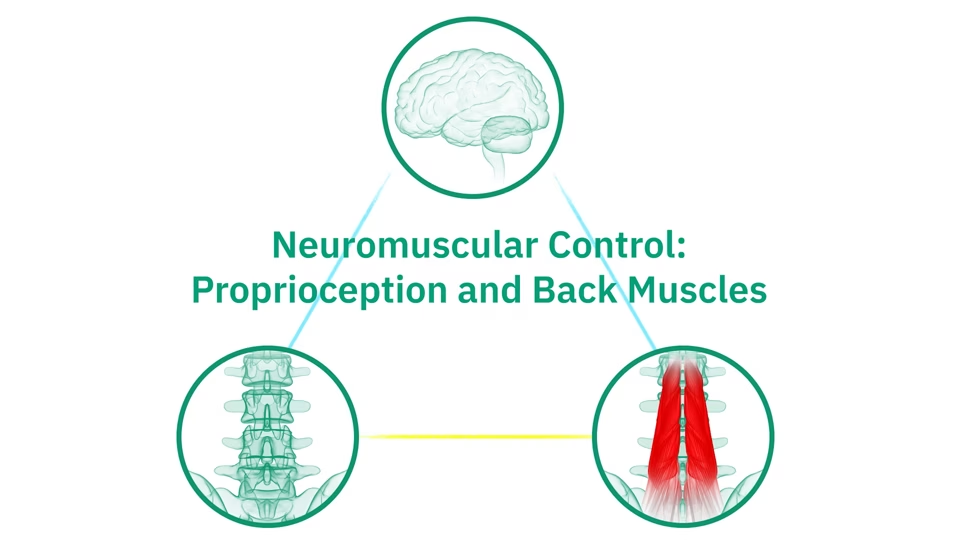
Approved anatomy illustration supplied by Mainstay Medical.
Clinical cues
Do these symptoms sound familiar?
The partner materials suggest looking for a pattern of back-dominant pain, muscle fatigue, and instability that worsens with ordinary sustained positions or small tasks.
Treat the cause, not only the symptoms
What is ReActiv8 restorative neurostimulation?
ReActiv8 is designed to address the underlying cause of mechanical low back pain by helping patients restore neuromuscular control of the multifidus muscle.
By stimulating the medial branch nerves that activate the multifidus, the therapy is intended to help the body regain control of the muscle and improve functional lumbar stability.
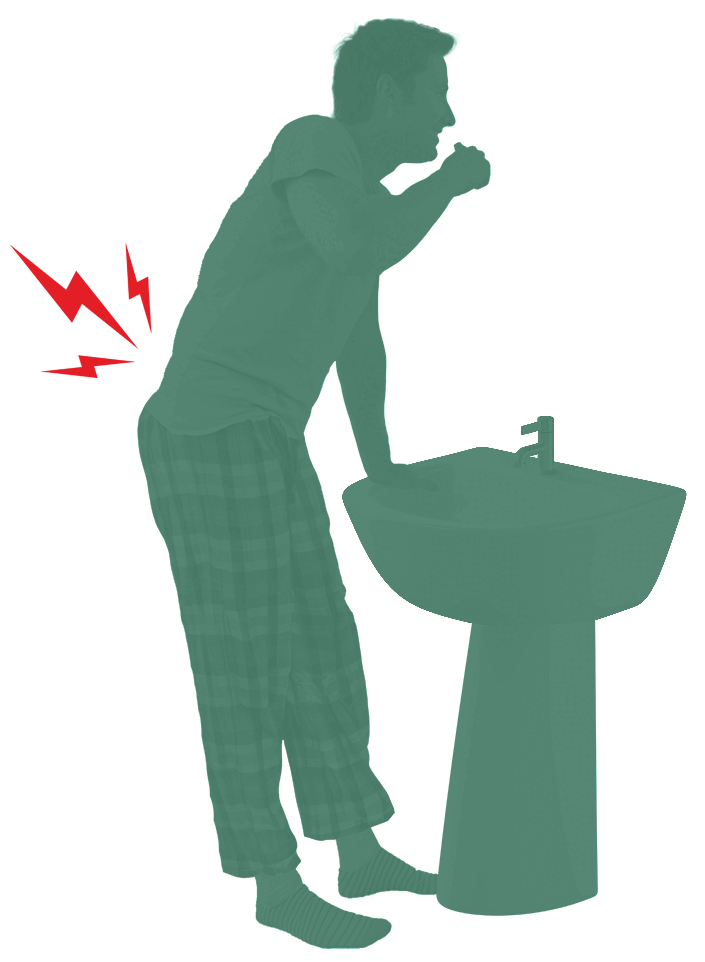
Approved patient-cue image supplied by Mainstay Medical.
Approved patient education series
Understand the pain pathway
Mainstay supplied these exact Vimeo videos for partner websites.
RESTORE randomized evaluation
One-year study context
The supplied 2026 partner deck summarizes one-year outcomes from a randomized comparison of ReActiv8 and optimal medical management.
Source: Schwab F, Mekhail N, Patel KV, et al. Pain and Therapy (2025). doi:10.1007/s40122-024-00689-0. Results from a study population do not predict individual outcomes.
Important safety and indication information
U.S. indication: ReActiv8 is an implantable neurostimulation system that employs a restorative therapy designed to restore muscle control of the lumbar spine for improved low back pain management. It is indicated for bilateral stimulation of the L2 medial branch of the dorsal ramus as it crosses the transverse process at L3 as an aid in management of intractable chronic low back pain associated with multifidus muscle dysfunction, as evidenced by imaging or physiological testing, in adults who have failed therapy including pain medications and physical therapy and are not candidates for spine surgery.
ReActiv8 is a prescription device implanted by certified physicians in an outpatient setting. Patients should discuss whether it is appropriate with their healthcare provider. Surgery carries risk and outcomes vary.
Source and publication note
Sources: 2026 Web Resources for Partners deck supplied by Jackie Trombley; videos supplied by Steve Duchi; Mainstay Medical patient and safety pages. Final claims, indication wording, references, and safety language should receive clinic and manufacturer review before publication.
ReActiv8 is a registered trademark of Mainstay Medical.
